
Endress+Hauser highlights growing trends within the process automation industry
Discover the top 10 most viewed blogs of 2022 covering challenges and solutions across all industries May 9, 2023 – […]

Q&A: Flow and Liquid Analysis advancements in semiconductor manufacturing
Flow and liquid analysis play a vital role in semiconductor manufacturing, where ultra-pure water and precise chemical control are essential for producing defect-free chips. Accurate measurement technologies help maintain process integrity, ensure compliance with stringent purity standards and reduce downtime. This Q&A highlights common challenges and solutions for achieving reliable flow and liquid analysis in these demanding environments.
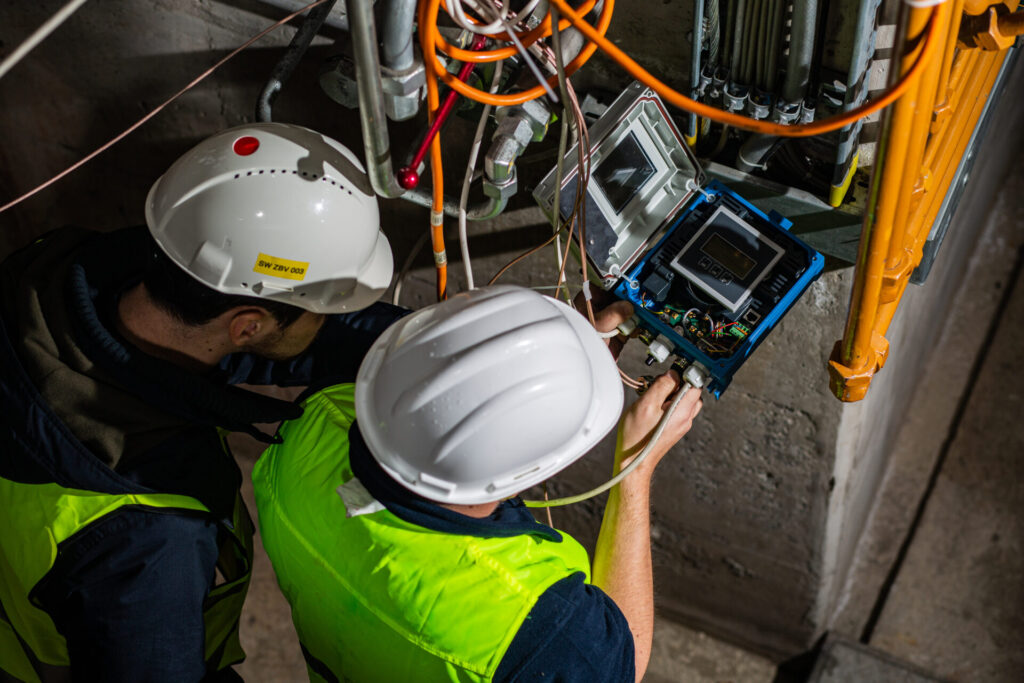
Q: What challenges exist for flow measurement in ultra-pure water applications?
A: Ultra-pure water has extremely low conductivity, making traditional electromagnetic flow meters ineffective. Space constraints and ease of installation also pose challenges, especially in retrofit or skid-based systems.
Q: Which flow technologies address these challenges?
A: Inline and clamp-on ultrasonic flowmeters, such as Endress+Hauser’s Proline Prosonic Flow W 400 and P 500, work without conductivity and allow non-invasive installation. Coriolis flowmeters, like Proline Promass K 10, offer high accuracy and require no straight pipe runs, making them ideal for tight spaces.
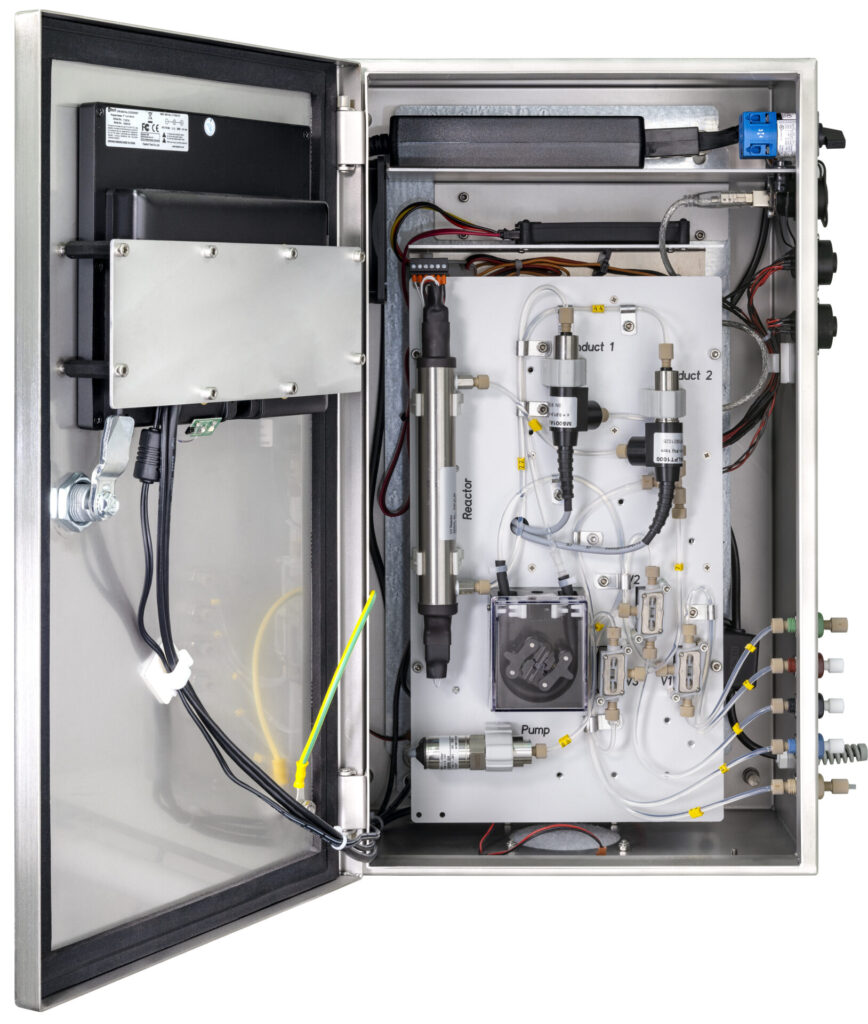
Q: Why measure Total Organic Carbon (TOC) in semiconductor manufacturing?
A: TOC monitoring ensures water quality by detecting organic contaminants that could damage chip surfaces. Ultra-low TOC analyzers help maintain stringent purity standards and prevent costly defects.
Q: How does Heartbeat Technology improve reliability?
A: Heartbeat Technology provides in-situ device verification, diagnostics and predictive maintenance without process interruption. This reduces downtime and supports ISO-compliant quality assurance.
Hear from our experts
Watch the full online seminar recording to explore real-world applications, field data and expert insights on flow and liquid analysis technologies in semiconductor manufacturing.
Ready to get started? Fill out the form to get in touch with one of our experts.
"*" indicates required fields
Discover the top 10 most viewed blogs of 2022 covering challenges and solutions across all industries May 9, 2023 – […]
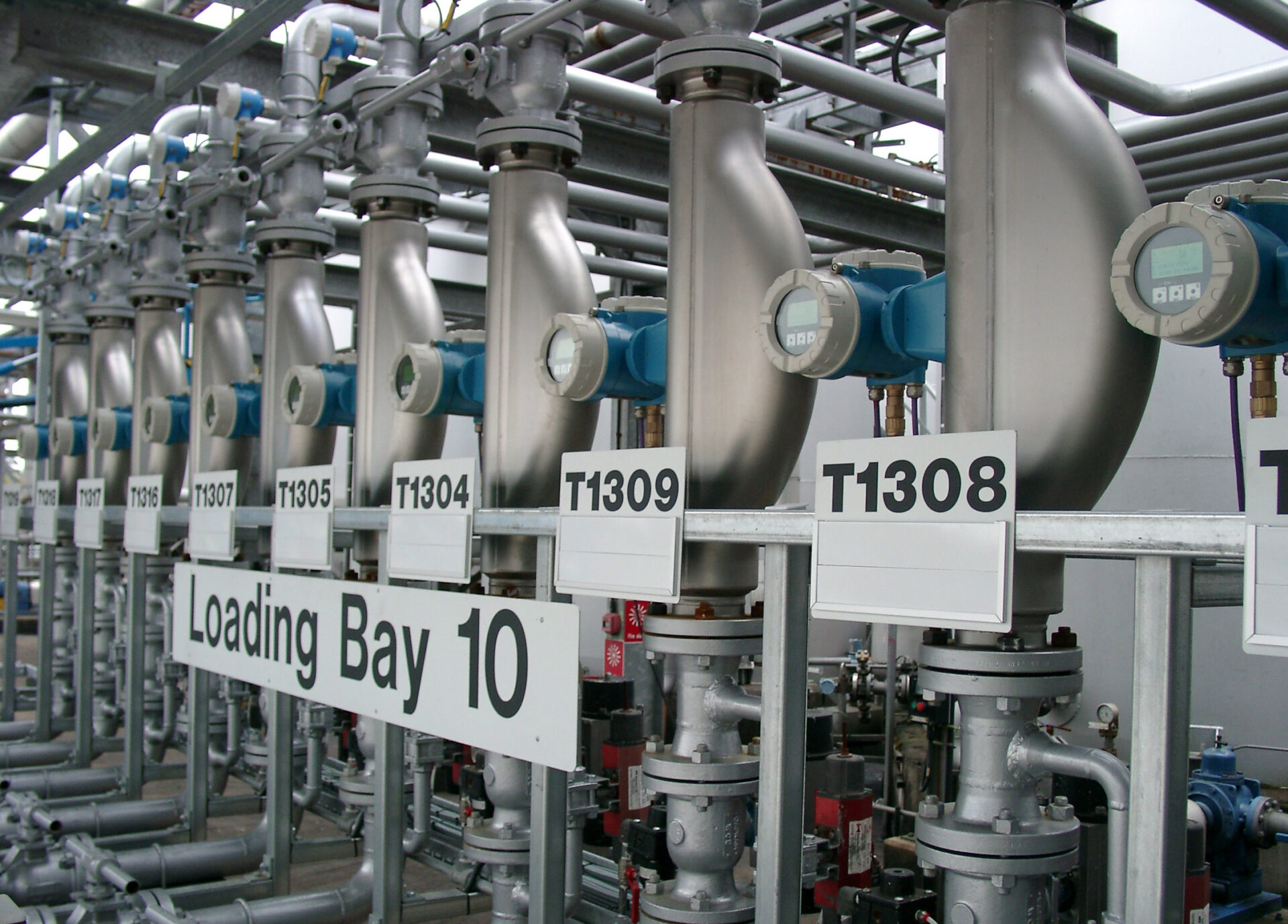
Mason Flannery is a product marketing manager here at Endress+Hauser, specializing in flow measurement technologies. To help answer some frequently […]
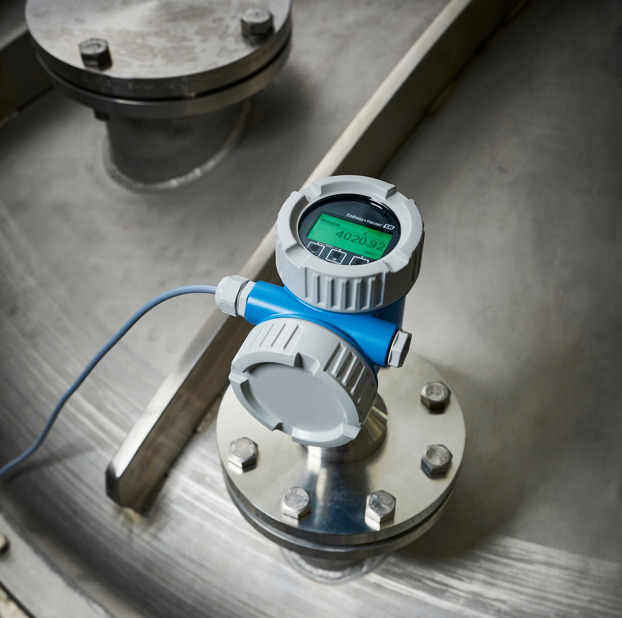
When it comes to finding the right level technology for the specific needs within your industry, it can be a […]